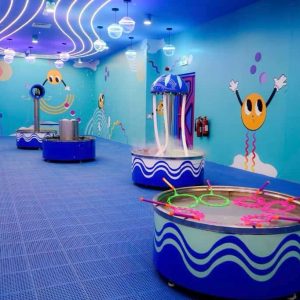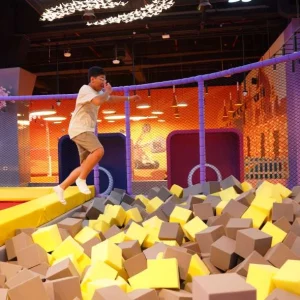


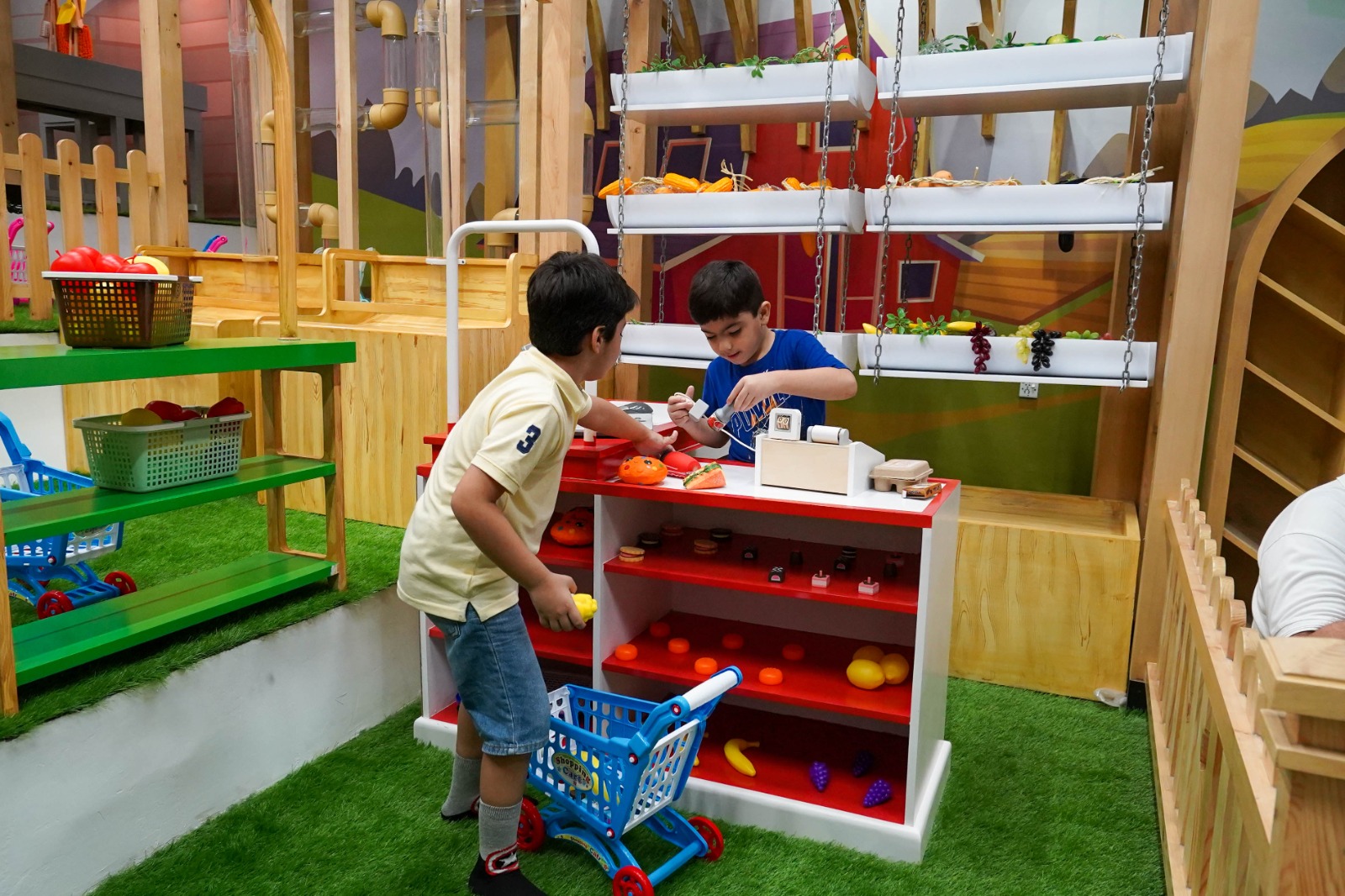
Childhood has a certain rhythm to it, the kind that comes from running feet, messy hands, and ideas that turn into little adventures. You see it when a child starts building something out of nothing or when they get lost in their own make-believe world. These moments remind us that children grow best when they’re doing, not just watching.
But somewhere between busy schedules and easy screen access, that natural rhythm has started to fade. Kids are spending more time sitting still and less time exploring with their bodies and minds. This is why active play is stepping forward again, not as a nostalgic idea from the past, but as a real and urgent need. It brings children back to the kind of experiences that shape their confidence, their thinking, and their sense of joy.
Why Children Need Active, Screen-Free Play More Than Ever?
Active play isn’t just a fun break. It shapes the whole child mind, body, emotions, and confidence. When screens become the default entertainment, children miss out on skills that can’t be downloaded or fast-forwarded.
1. It Builds Stronger Minds
When kids solve puzzles, stack blocks, create stories, or move pieces around, their brain works in ways a screen never pushes it to. They develop memory, focus, problem-solving, and spatial awareness. These are deep-thinking skills that grow through touch, movement, and real-life trial and error not by tapping on a flat surface.
2. It Supports Healthy Bodies
Running, jumping, climbing, dancing, rolling… all these movements strengthen muscles, improve balance, and build coordination. They also help kids shake off restlessness and avoid the habits that come with long hours of sitting. Play is the most natural form of exercise children will ever have.
3. It Shapes Social and Emotional Strength
Active play teaches things no app can teach how to share, speak up, compromise, deal with frustration, solve conflicts, and feel empathy. When kids pretend to be superheroes, doctors, or explorers, they learn to understand feelings and connect with others. These emotional muscles grow only through face-to-face interaction.
4. It Unlocks Creativity and Imagination
Give a child a cardboard box or a handful of art supplies, and you’ll often see magic. They invent worlds, characters, rules, and stories. Without digital prompts or scripted choices, their mind becomes the creator not the follower.
5. It Builds Real-World Life Skills
Active, screen-free play teaches kids how to handle boredom, take initiative, think independently, and try new things. It builds resilience. It grows confidence. It prepares them for the real world in ways digital entertainment cannot.
6. It Strengthens Family Bonds
Simple moments drawing together, making up silly games, building a fort, talking during a walk become memories that stay with children for years. Kids remember connection, not screen time.
Why Active Play Is Becoming “The New Need”?
Screens make it easy for kids to check out mentally. They’re fun, but they’re passive. They don’t challenge the mind, body, or emotions the way real play does.
Active play brings children back into the world. It engages their senses sight, sound, touch, movement, imagination. It helps them grow into confident, capable individuals. In many homes, parents have started noticing that their kids’ behavior, focus, and mood change depending on how much real play they get. And that shift is exactly why active play is no longer optional. It’s essential.
Even when families look for indoor kids activities, parents often end up choosing ones that require movement, creativity, and interaction because they can see how much better their kids feel afterward.
Active play feeds the whole child. Screens only feed their eyes.
Suggested: Why Trampoline and Soft Play Zones are the New Fitness Spots for Kids
Ways to Encourage More Screen-Free Play at Home
You don’t need anything fancy. You just need space, time, and a little patience.
- Offer open-ended toys like blocks, puzzles, art tools, cardboard boxes, or dress-up items.
- Say yes to outdoor time whenever possible walks, water play, playgrounds, anything that moves their body.
- Join their pretend games sometimes. Even ten minutes makes a difference.
- Keep board games within reach.
- Limit your own screen time so kids see active behavior modeled.
The goal isn’t to ban screens completely. It’s to balance childhood again.
Closing Thoughts
Children don’t remember the days they spent watching videos. They remember the messes they made, the games they invented, the places they ran, and the people who played with them. Active play gives them a childhood filled with color, noise, imagination, and connection. And that’s something no screen will ever replace.