


The school holidays can make children very good at one thing: enjoying their own schedule. Late mornings, extra screen time, spontaneous outings, and long hours of play can make the return to school feel like a sudden change. Going from a relaxed holiday day to sitting in a classroom for several hours is a big adjustment for young children.
The answer does not have to be stricter routines from day one. Sometimes, children simply need more movement.
Active play gives kids a chance to use their energy, reset their mood, and prepare their bodies for quieter activities. As families get ready for the back to school 2026 UAE season, adding movement to the daily routine can make the transition feel much easier.
Why Active Play Matters?
Children spend a large part of the school day sitting, listening, writing, and following instructions. After a long break, this can feel difficult, especially for children who are used to having more freedom during the holidays.
Physical activity gives them an outlet. Running, jumping, climbing, dancing, or playing a simple game can help release extra energy and physical tension. Once they have had a chance to move, children may find it easier to sit down and focus on homework, reading, or other quiet tasks.
Movement can also help with mood. A child who comes home tired, restless, or frustrated may not be ready to start homework immediately. A short period of active play can give them space to reset before moving on to the next part of the day.
Add Movement After School
A simple playground stop can become a useful part of the afternoon routine. Instead of going straight from school to homework, families can spend 20 or 30 minutes at a nearby park.
Children can run around, climb, use the swings, play with a ball, or simply explore. This gives them a chance to leave the school day behind before starting the next activity.
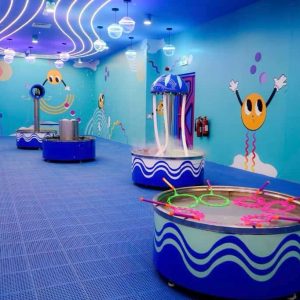
For families looking for organised activities, places such as KidsHQ can also give children a structured way to stay active and engaged. The key is to choose activities that allow children to move while still having fun.
Make Indoor Play Active
Hot weather or a busy afternoon does not mean children have to stay still. An indoor obstacle course can be made with everyday items such as cushions, pillows, chairs, and tape.
Children can crawl under a chair, jump over a cushion, balance along a taped line, or complete a simple movement challenge. Parents can change the course every few days so it stays interesting.
These activities do not need to be complicated. Even 10 to 15 minutes of movement between school and homework can help a child feel more settled.
Also Read: Why Soft Play Is Becoming Essential for Early Childhood Growth
Try “Heavy Work” Activities
Some children respond well to activities that involve pushing, pulling, or carrying. These can be added to everyday tasks without turning them into another formal activity.
For example, a child can help carry a light laundry basket, move cushions, push a basket across the floor, or carry small grocery items with adult supervision.
The aim is not to exhaust children. Instead, these activities give them a physical outlet and can help a very active or restless child move towards a calmer state.
Use Play Before Homework
Timing can make a big difference. Asking a child to sit down with homework immediately after school may lead to frustration if they still have lots of energy.
Try creating a simple pattern such as snack, active play, homework, dinner, and bedtime. The routine does not have to be the same every day. What matters is giving children a familiar order that they can understand.
Parents can also give a five-minute warning before play ends. This makes the change less sudden and gives children time to finish what they are doing.
Help Them Wind Down
Active play is only one part of the reset. Children also need time to slow down, especially before bedtime.
After energetic play, move into calmer activities such as drawing, reading, gentle stretching, or quiet conversation. Keeping the evening predictable can help children understand that the active part of the day is finished.
This balance between movement and calm is especially useful when children are getting used to earlier bedtimes and school mornings again.
Keep the Reset Simple
A back-to-school routine does not need to be perfect. Children may have energetic days, tired days, and days when they simply do not want to follow the plan.
The goal is to give them regular chances to move, relax, and reset. A quick playground visit, an indoor obstacle course, a fun activity at KidsHQ, or a small household task can all become part of that process.
Sometimes, helping children settle into school is less about asking them to slow down and more about giving them the right chance to move first.