

You don’t walk into an indoor play centre thinking about safety signs or floor mats. You walk in holding a child’s hand, watching their eyes light up, hoping they’ll laugh, run, climb, and come back to you tired and happy. That hope is simple, but it carries a big trust. When you hand over that space to a play facility, you’re trusting them with what matters most to you.
A good indoor play place should feel fun first, but if you look a little closer, it should also feel calm, organised, and well cared for. Safety doesn’t shout. It shows itself in small details that parents notice when they slow down and look around. Here’s what really matters.
A Calm Start: Secure Entry and Exit
Before your child even takes off their shoes, safety should already be in place. A proper indoor play facility must have a secure entry and exit system. This could be a gated door, a locked entrance, or staff monitoring who comes in and out.
Children move fast. They follow curiosity without fear. A secure entrance stops accidents before they happen and gives parents peace of mind. If kids can wander out freely or strangers can walk in unnoticed, that’s a red flag.
Cleanliness You Can See and Smell
Kids touch everything. Floors, slides, nets, balls, walls and then their faces. Cleanliness is not optional in a play space.
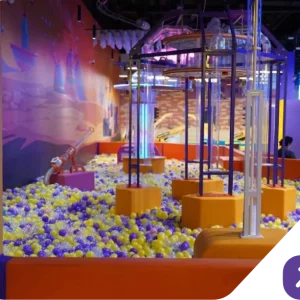
Look for signs of daily cleaning. Floors should not feel sticky. Play equipment should look fresh, not dusty or worn down. Ball pits should look clean and smell neutral. Hand sanitizer stations near entrances and seating areas are a good sign. Shoe-free play zones show that hygiene is taken seriously.
When a place is clean, you can usually feel it right away.
Suggested: How Adventure Parks Help Kids Build Confidence, Not Fear
Equipment That Looks Loved, Not Tired
Well-maintained equipment says a lot about how a place is run. Padding should be thick and intact, not torn or flat. There should be no exposed screws, sharp edges, rust, or loose parts. Safety netting should be tight and secure, not sagging or ripped.
Children climb, fall, jump, and slide all day. Equipment takes a beating. The question is whether the facility checks and fixes it regularly. If things look broken or ignored, it’s safer to walk away.
Clear Spaces for Different Age Groups
Toddlers and older kids play very differently. Mixing them in one area can lead to bumps, fear, and tears.
A safe indoor play facility will have clear age-separated zones. Toddlers need lower equipment, softer spaces, and calmer movement. Older children need room to climb, run, and explore.
This separation protects smaller children and lets older ones play freely without constant restrictions.
Floors That Forgive Falls
Falls are part of play. What matters is what’s underneath.
Look for soft mats, foam tiles, or padded flooring, especially under climbing frames and slides. Floors should not be slippery. Non-slip surfaces reduce accidents and make running safer.
Hard floors under play equipment are a warning sign. Impact-absorbing flooring shows the facility understands how kids move.
Staff Who Are Present, Not Just Nearby
Staff presence matters. You should see staff members inside the play areas, watching children, not just sitting at the front desk.
Active supervision helps prevent risky behaviour, handles small issues before they grow, and makes kids feel supported. Staff don’t need to hover, but they should be visible and attentive.
A well-run place feels watched in a good way.
Clear Sightlines for Parents
Parents should be able to see their children without chasing them around the space. Open layouts, clear barriers, and smart seating areas help with this.
If play structures block all views or create hidden corners, supervision becomes harder. Good visibility builds trust and lowers stress for parents.
Safety Rules That Are Actually Enforced
Rules mean nothing if they’re just posters on the wall.
Ask about capacity limits. Too many kids in one space increases risk. Check if staff step in when rules are broken. Do they separate rough play? Do they guide kids kindly but firmly?
Facilities that take rules seriously create safer play areas for kids and a better experience for everyone.
Signs of Safety Standards
You don’t need to know every regulation, but you should see signs that safety standards are followed. This could include certificates, inspection notices, or clear safety policies shared with parents.
Transparency is a good sign. If staff are open about their safety practices, they’re usually proud of them.
Why It All Matters?
Indoor play is not just about burning energy. It helps children build strength, balance, confidence, and social skills. When done right, it supports healthy growth and happy memories.
As a parent, trusting a soft play area for kids is about more than fun. It’s about knowing that behind the bright colours and laughter, someone has thought carefully about safety, care, and responsibility.
When you find a place that feels clean, organised, supervised, and secure, you’ll notice something else too you relax. And when parents feel calm, kids play better.