

A quiet room does not always mean a child is learning. A clean worksheet does not always mean a child is growing. For young children, real growth often looks messy, loud, and full of movement. It looks like climbing, falling, laughing, trying again, and figuring things out along the way. This is where soft play steps in not as a luxury, but as a real need.
Soft play is no longer just a place to “burn energy.” It has slowly become one of the most important spaces for early childhood growth. Parents, teachers, and even governments are starting to see what children have always known: play is serious work.
More Than Fun: How Soft Play Shapes Growing Bodies
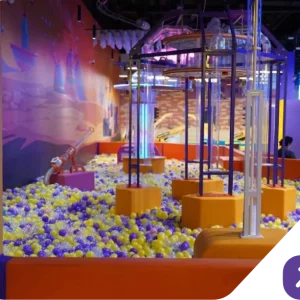
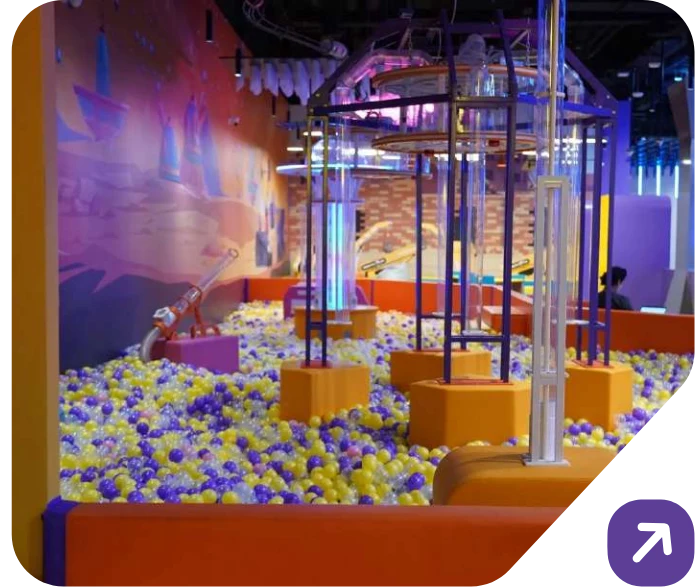
Young children learn with their whole body, not just their eyes and ears. Soft play gives them space to move freely and safely. Crawling through tunnels, climbing foam steps, jumping into ball pits these simple actions help build strength, balance, and coordination.
Fine motor skills grow too. Holding onto soft shapes, picking up balls, or keeping balance on uneven surfaces all train small muscles. Over time, this helps with everyday tasks like writing, buttoning clothes, or using utensils.
Regular movement also supports heart health, bone strength, and overall fitness. Studies show children can burn a large number of calories during active play. When movement becomes normal early in life, healthy habits often stick well into adulthood.
Growing the Brain Through Movement
Soft play does something special for the brain. When children move, their brain works harder too. They plan where to climb next, judge distances, solve small problems, and make quick decisions.
This kind of play helps improve memory, focus, language, and attention. Children learn cause and effect without being taught. They fall, adjust, and try again. This builds strong thinking skills that support learning later in school.
Free play also boosts executive function. This includes skills like self-control, flexible thinking, and following simple rules. These abilities often matter more for school success than test scores at a young age.
Learning to Be With Others
Soft play is rarely a solo activity. Children share space, wait their turn, watch others, and learn how to react. These moments teach social rules in a natural way.
Children learn how to communicate, show empathy, and solve small conflicts. They practice sharing and cooperation without pressure. Over time, this helps reduce aggressive behavior and improves emotional control.
For children who are shy or still learning how to connect, soft play offers a gentle way to join in at their own pace.
Also Read: Why Trampoline and Soft Play Zones are the New Fitness Spots for Kids
A Safe Place to Feel and Grow
Soft play areas are designed to be safe, and that safety matters. When children feel secure, they take healthy risks. They try new movements, explore on their own, and build confidence.
This freedom supports emotional health. Play helps reduce stress and anxiety. Children who play often tend to show more positive emotions and better self-esteem. They learn that it is okay to fail and try again.
These spaces also support children with special educational needs or motor skill challenges. Soft surfaces, open layouts, and sensory-friendly designs allow more children to join in and feel included.
Creativity Lives Here Too
To adults, soft play equipment may look simple. To children, it can become anything. A foam block turns into a mountain. A tunnel becomes a secret cave. This kind of pretend play feeds imagination and creative thinking.
Not all parents feel confident leading creative activities at home. Soft play centers help fill that gap by offering a space where creativity happens naturally, with no instructions needed.
Helping Families and Communities
Indoor soft play also helps beyond the child. These spaces give families a place to gather, especially where outdoor play areas are limited. They offer a break from isolation and help build social connections for both children and parents.
Because they are indoors, they are not affected by weather. This makes them reliable spaces for regular activity. Affordable entry options also allow families from different backgrounds to access the same benefits.
For many parents searching for the best indoor play area for kids, the value goes far beyond entertainment it is about growth, health, and connection.
A Different Way to Think About Childhood
Soft play is no longer just a rainy-day option. It is a space where children build bodies, brains, confidence, and relationships all at once. These early experiences shape how children learn, move, and feel for years to come.
When children play, they are not wasting time. They are building the foundation for who they will become. Sometimes, the most important lessons happen off the page and on a soft mat.